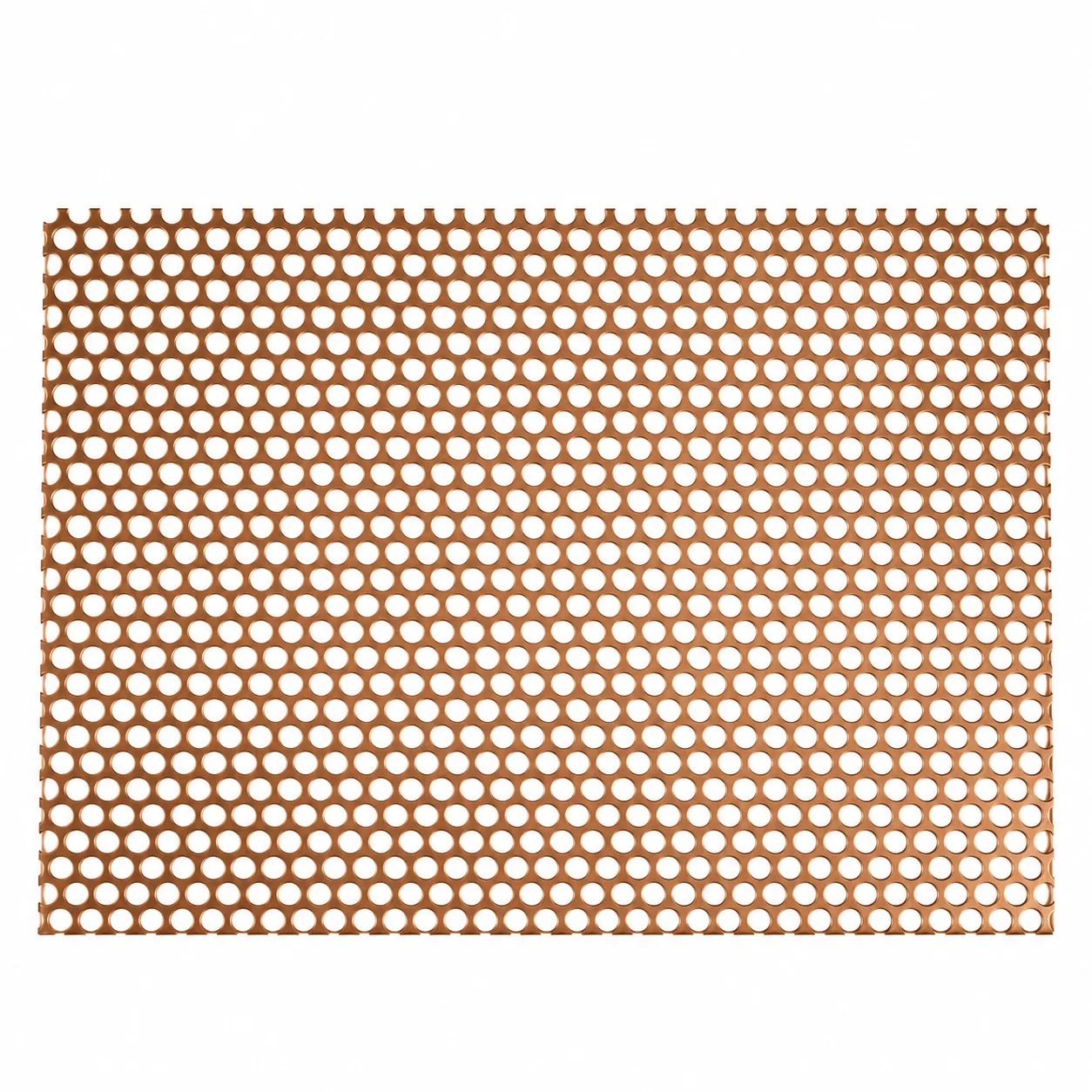
Copper is a key industrial metal used in electrical equipment, power cables, motors, renewable-energy systems, electric vehicles, construction products and data-center infrastructure. When copper prices move higher, the increase is passed through the supply chain—from copper sheet and copper plate to punching, cut-to-size processing, tooling, packing and freight.
Why Is the Copper Price Rising?
The recent copper rise is driven by several connected factors rather than one single event:
- Growing electrical demand. Grid expansion, renewable power projects, electric vehicles and data centers require large amounts of copper for conductors, motors, transformers and connections.
- Slow mine supply growth. New copper mines can take many years to permit, finance, build and reach stable production. Existing mines may also face lower ore grades, water constraints, labor disputes or temporary disruptions.
- Tight refined supply. Mining output does not immediately become usable sheet or plate. Smelting, refining, rolling and distribution capacity can remain tight even when headline mine production looks stable.
- Low inventories and delivery risk. When visible warehouse stocks are limited, manufacturers and traders become more sensitive to restocking needs, which can amplify price movements.
- Energy, freight and currency costs. Copper processing uses energy, while freight, insurance and exchange-rate changes can increase the delivered cost for international buyers.
- Investment and policy expectations. Interest-rate decisions, infrastructure programs, trade policy and investor positioning can make short-term price changes sharper.
What Was the Previous Copper Price Trend?
The previous copper trend was uneven. After the sharp pandemic-era increase, prices cooled as manufacturing and property demand weakened. The market later recovered in stages as supply concerns returned and demand from electricity infrastructure and clean-energy investment became more visible.
In 2024, copper reached a two-year high during the first quarter according to the World Bank. The market then continued to balance slower global growth and trade uncertainty against structural demand from electrification. This pattern shows why copper can experience short-term pullbacks while its longer-term supply outlook remains tight.
For buyers, the key lesson is that a temporary correction does not always mean that copper sheet costs will return to an earlier level. Mine development takes time, and a new demand cycle can quickly reduce available supply again.
How Does a Higher Copper Price Affect Perforated Copper Sheet Metal?
For a perforated copper sheet metal or copper perforated metal sheet order, raw material normally has the greatest influence on the quotation. A higher copper benchmark raises the purchase cost of the sheet before punching begins.
The final price also includes material yield, punching speed, tooling, setup, inspection, edge treatment, cut-to-size work, packaging and freight. Small holes, narrow pitch, thick copper plate and tight tolerances may reduce production speed or increase tool wear. This means the finished price may not rise in exactly the same percentage as the copper benchmark.
Why Copper Plate Punching Costs Keep Rising
- Material cost: copper grade, temper, thickness and market price basis.
- Punching and setup: machine time, production speed, alignment and trial runs.
- Tooling: dedicated dies or tooling for custom hole shapes, diameter and pitch.
- Yield and scrap: sheet utilization, border trim and handling of punched copper scrap.
- Finishing and delivery: deburring, cut-to-size work, protective packing, freight and insurance.
For this reason, a stable quotation should clearly separate copper material, punching, tooling, finishing and logistics. A short validity period may be necessary when the copper market is moving quickly.
How Can Buyers Control Copper Sheet Purchasing Costs?
- Confirm the copper grade, temper, sheet thickness, hole diameter, pitch, open area and panel size before requesting a quote.
- Ask the supplier to state the copper price basis and quotation validity period.
- Provide an annual or project quantity so tooling and setup costs can be evaluated across the production run.
- Send a drawing or sample to reduce pattern revisions and avoid incorrect material purchasing.
- Compare suppliers on yield, tooling control, inspection, packing and delivery—not only on the lowest unit price.
- For a long project cycle, consider a material-price adjustment formula linked to an agreed market reference.
Practical Outlook for Copper Buyers
Copper prices may move up and down in the short term, but the combination of electrification demand, long mine-development timelines and supply uncertainty means copper sheet quotations are likely to remain sensitive to market changes. Buyers planning custom perforated copper sheet metal should secure the specification early, request a clear commercial basis and leave enough time for material confirmation and production scheduling.
Frequently Asked Questions
Why is copper price rising now?
The main reasons are stronger electrical and infrastructure demand, slow supply growth, tight refined material availability, low inventories and higher market uncertainty.
Does a higher copper price always mean the same increase in punching cost?
No. Copper is a major cost, but tooling, labor, yield, energy, finishing, packing and freight have their own movements.
How can I request a perforated copper sheet metal quote?
Provide copper grade, thickness, hole shape, hole diameter, pitch, panel size, quantity, tolerances, delivery location and any drawing or sample.
Can YueChu Metal supply copper perforated metal sheet cut to size?
Custom cut-to-size panels can be reviewed according to the drawing, material specification, quantity, edge requirements and production method.
Need a copper perforated sheet quotation?
Send YueChu Metal your copper specification, hole pattern, quantity and delivery requirements. We can review the project and prepare a practical quotation.
Request a Copper Sheet Quote