Expanded Metal Applications
Expanded Metal Fencing & Security
A practical guide to how expanded metal mesh is used for perimeter fencing, gates, security screens and architectural infill.
Introduction
What Is Expanded Metal Fencing?
Expanded metal fencing starts as a solid metal sheet. It is slit and stretched into a continuous mesh, creating diamond or decorative openings without separate wires or welded intersections.
Its one-piece structure combines rigidity with visibility and airflow - ideal when a boundary needs protection without becoming a solid wall.
- One-piece integrity
- Connected strands remain stable inside the frame.
- Clear sightlines
- Openings retain visibility through the boundary.
- Natural airflow
- The mesh allows light and ventilation to pass.
Visual Examples
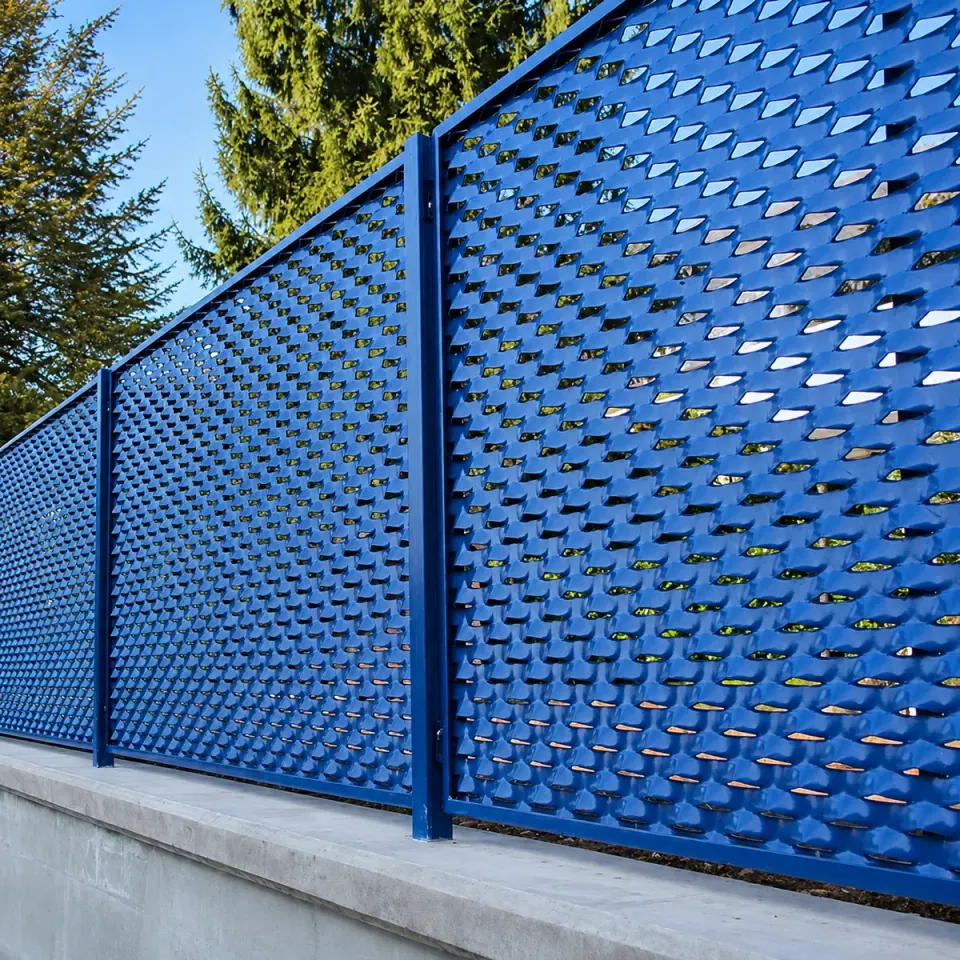
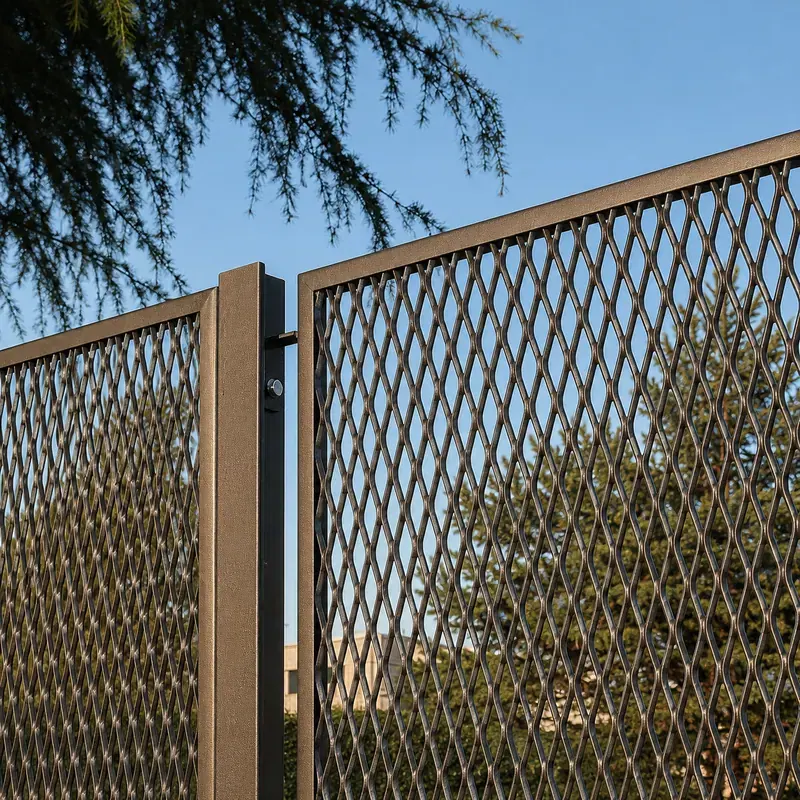
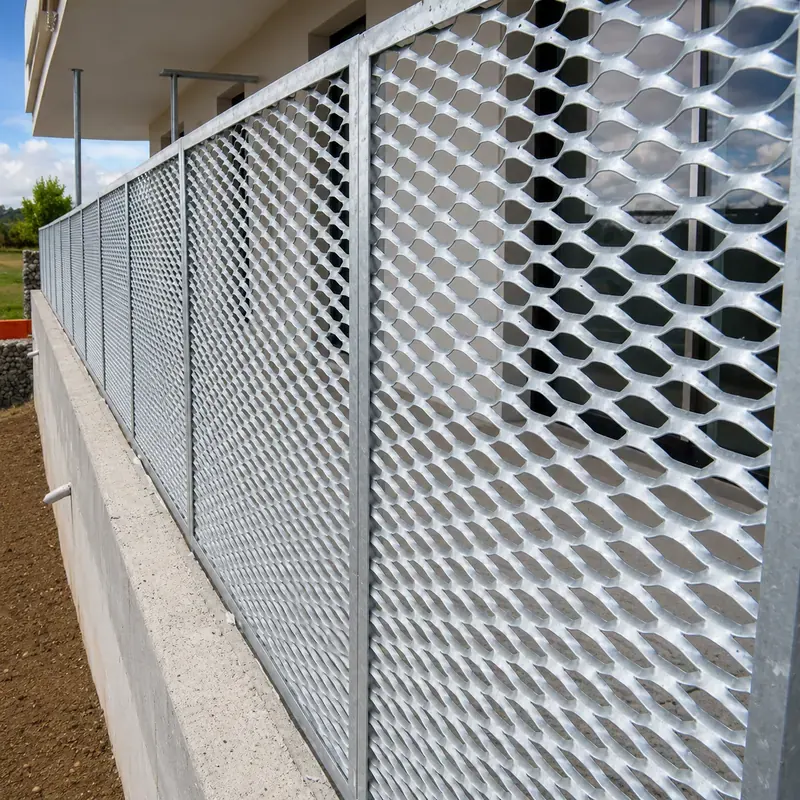
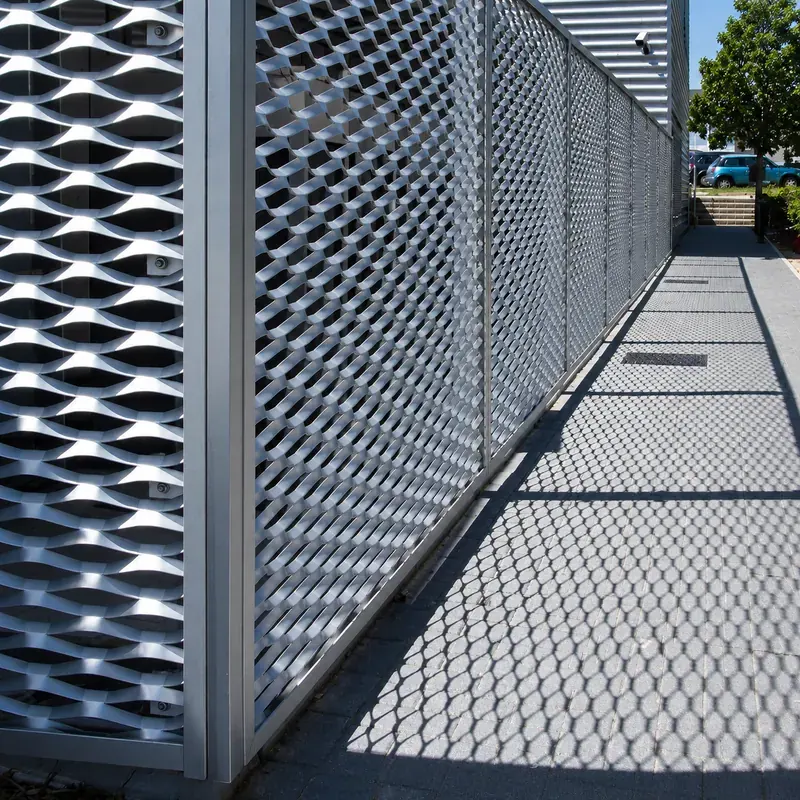
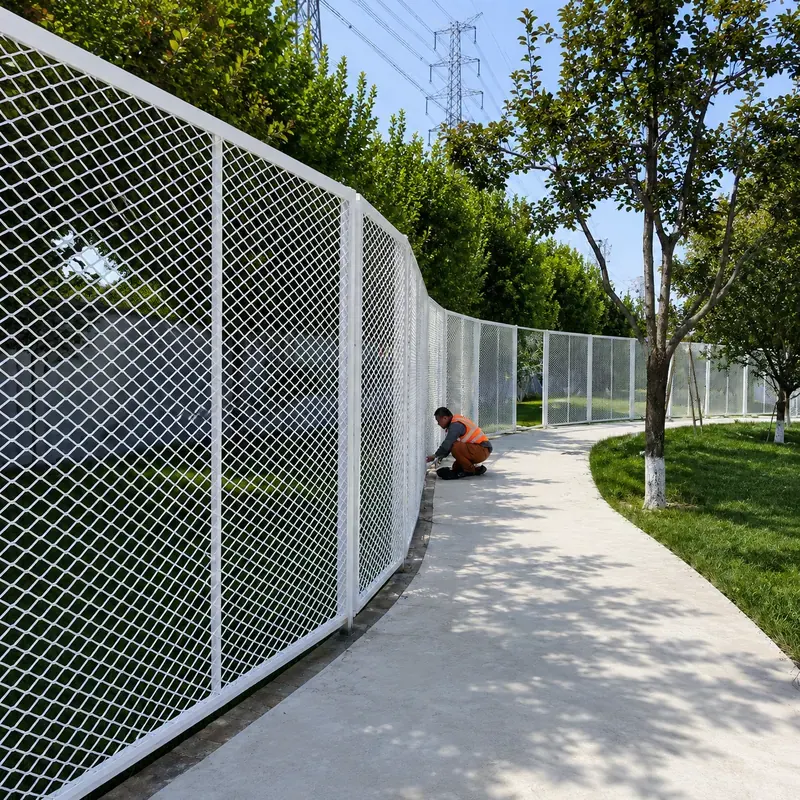
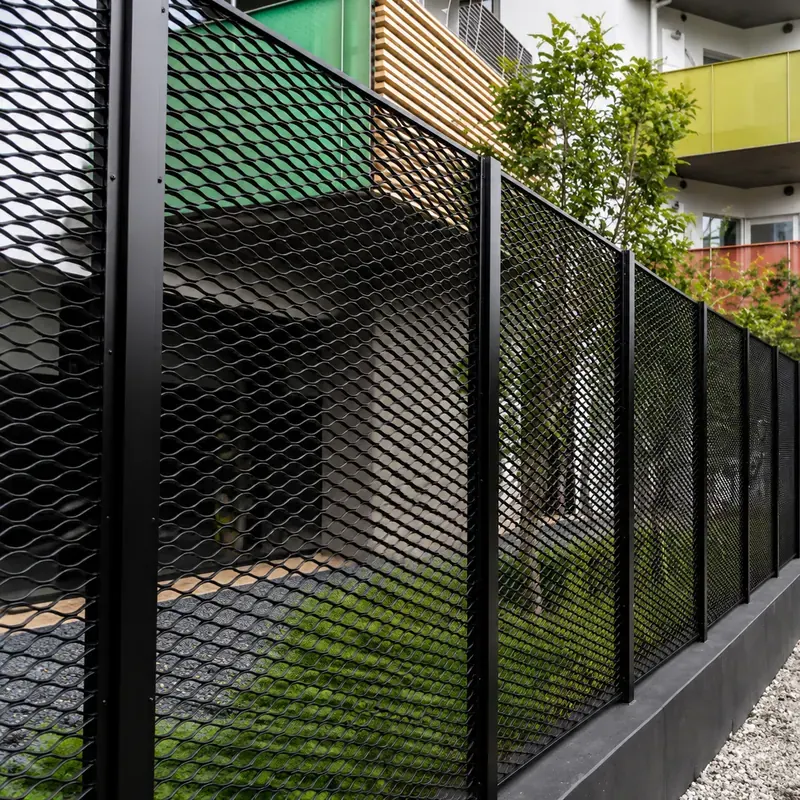
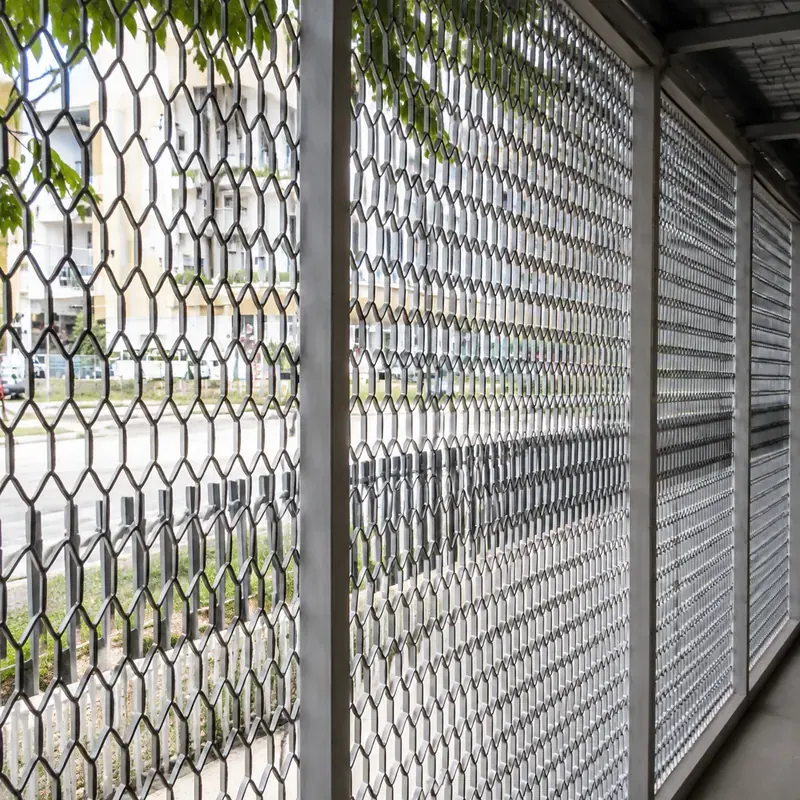
Expanded Metal Fence in Real Settings
From perimeter boundaries to gates, railings and framed screens, the same mesh principle can support very different architectural and security requirements.
Key Characteristics
Why Expanded Metal Works for Fencing
- 01Continuous constructionStable interconnected strands with no welded intersections.
- 02Open visibilitySupports surveillance, daylight and visual connection.
- 03Natural ventilationAllows airflow around equipment and service areas.
- 04Flexible appearancePattern, direction, framing and color can be adapted.
Common Uses
Where Security Mesh Is Used
- Perimeter fencingIndustrial sites, utilities and public facilities.
- Gates and access pointsSliding, swing and controlled entrances.
- Railings and balustradesBalconies, stairs, walkways and platforms.
- Equipment enclosuresVentilated protection for machinery and services.
Selection Guide
Materials, Finishes and System Design
Choose the mesh as part of the complete fence system - not as an isolated panel.
Carbon Steel
Strong and economical; commonly galvanized or powder coated for outdoor use.
Stainless Steel
Suitable where corrosion resistance and a clean metallic finish matter.
Aluminum
Lightweight and well suited to architectural screens and railing infill.
Confirm Before Installation
- Opening size and visibility
- Mesh direction and frame spacing
- Edge treatment and fixings
- Exposure and surface coating
- Local wind, safety and security rules
Installation
Fit and Support the Panel Correctly
- Support panels evenly to limit movement.
- Protect cut edges after fabrication.
- Use compatible frames and fasteners.
Maintenance
Keep the Finish in Good Condition
- Remove dirt and nearby vegetation.
- Check loose fixings and coating damage.
- Inspect coastal installations more often.
FAQ
Expanded Metal Fencing FAQ
What is expanded metal fencing?
Expanded metal fencing uses a single slit-and-stretched metal sheet or panel to provide open visibility, airflow and a continuous security barrier.
Which materials are suitable for expanded metal fence panels?
Carbon steel, galvanized steel, stainless steel and aluminum can be reviewed according to exposure, security, weight and finish requirements.
What information is needed for an expanded metal fencing quotation?
Send the panel dimensions, mesh opening, material, thickness, finish, frame or fixing requirements, quantity, application and destination.